0:00 / 0:00

Success Story
Apex Steel boosts next-day delivery confidence to 99% with Zebra inventory visibility solutions
Apex Steel sought to enable real-time, accurate visibility of stock and production data so sales teams can confidently commit to customer orders and on-time delivery.
Zebra Success Story: Apex Steel
Overview: Manufacturing Challenge
Prior to 2012, Apex ran almost entirely on paper. Sales teams would book an order, enter it into SAP, and print paper dockets that someone else physically delivered to warehouse staff. Workers would then receive pick lists, scour the floor for the right coil or sheet, grab what looked right, tick a box, and hope they'd chosen correctly.
Benefits / Outcomes
- Cut inbound logistics process from 30–60 minutes per order to 10-minute real-time cycles
- High 90%+ stock accuracy at first rollout sites
- Achieved significant business growth by enhancing work efficiency – no proportional increase in staff needed
- 10+ years of printer life in harsh conditions
- Fewer manual errors, double-keying, and rework

About Apex Steel
The blade moves through the coil, cutting a custom-length sheet that will become part of a Melbourne rooftop. In that moment, everything needs to be right—the gauge, the colour, the measurements. Apex Steel, one of Australia’s largest privately owned steel manufacturers and distributors, knows a mistake here means real consequences: construction crews waiting on site, frustrated customers, and the time and cost of redoing the work. In steel manufacturing, getting it right the first time goes beyond efficiency—it's about delivering on promises that can last 50 years.
That precision matters because, in this industry, the product itself offers little room for differentiation. Whether it becomes the backbone of Sydney's next skyscraper or the beams for Adelaide's new stadium, it's essentially the same material. "We buy from the same mills across Australia and the world as other producers. Steel is steel," says Nick Lachimea, Chief Corporate Officer at Apex Steel. "What sets us apart is the customer experience and what comes with it: the confidence that our team knows their job and delivers exactly what we promised."
Maintaining that commitment to service for over 30 years at scale means constantly modernising how every coil, sheet, and order moves through the business. "When I started in 2010, we had just a couple of branches," recalls Sophie Chen, IT Manager at Apex Steel. "Today, we've expanded to more than a dozen across the eastern seaboard, from Darwin to Victoria, with around 600 employees."
Roughly 400 of them work on the warehouse floor or in manufacturing, where the real challenges used to happen daily.
The Challenge
Before 2012, Apex ran almost entirely on paper. Sales teams would book an order, enter it into SAP, and print paper dockets that someone else physically delivered to warehouse staff. Workers would then receive pick lists, scour the floor for the right coil or sheet, grab what looked right, tick a box, and hope they'd chosen correctly. That hope defined every pick.
“It was all manual,” says Chen. “By scanning the product's barcode to verify, you could easily pick the wrong products. And if sales updated an order, the printed paperwork on the floor would become outdated.”
The consequences rippled outward. Sales teams couldn’t easily verify stock availability for customers, or construction crews could get the wrong colour roofing. Warehouse workers would walk around, looking for stock that wasn’t there or thinking it was gone, only to find a new shipment sitting on the floor waiting to be entered into the system.
Annual stock takes exposed how much this guesswork cost. Staff handwrote every product number and quantity, and office teams spent hours re-entering it all into SAP. “There was so much room for error,” Chen recalls. “We had to shut operations down for one or two days just to count inventory. Reconciling the stock took hours or days afterward.”
Receiving [orders] could take 30–60 minutes. With Zebra’s MC9 mobile computers integrated with our inventory software, it now takes 10 minutes, as the system automatically updates inventory levels in SAP.
The Solution
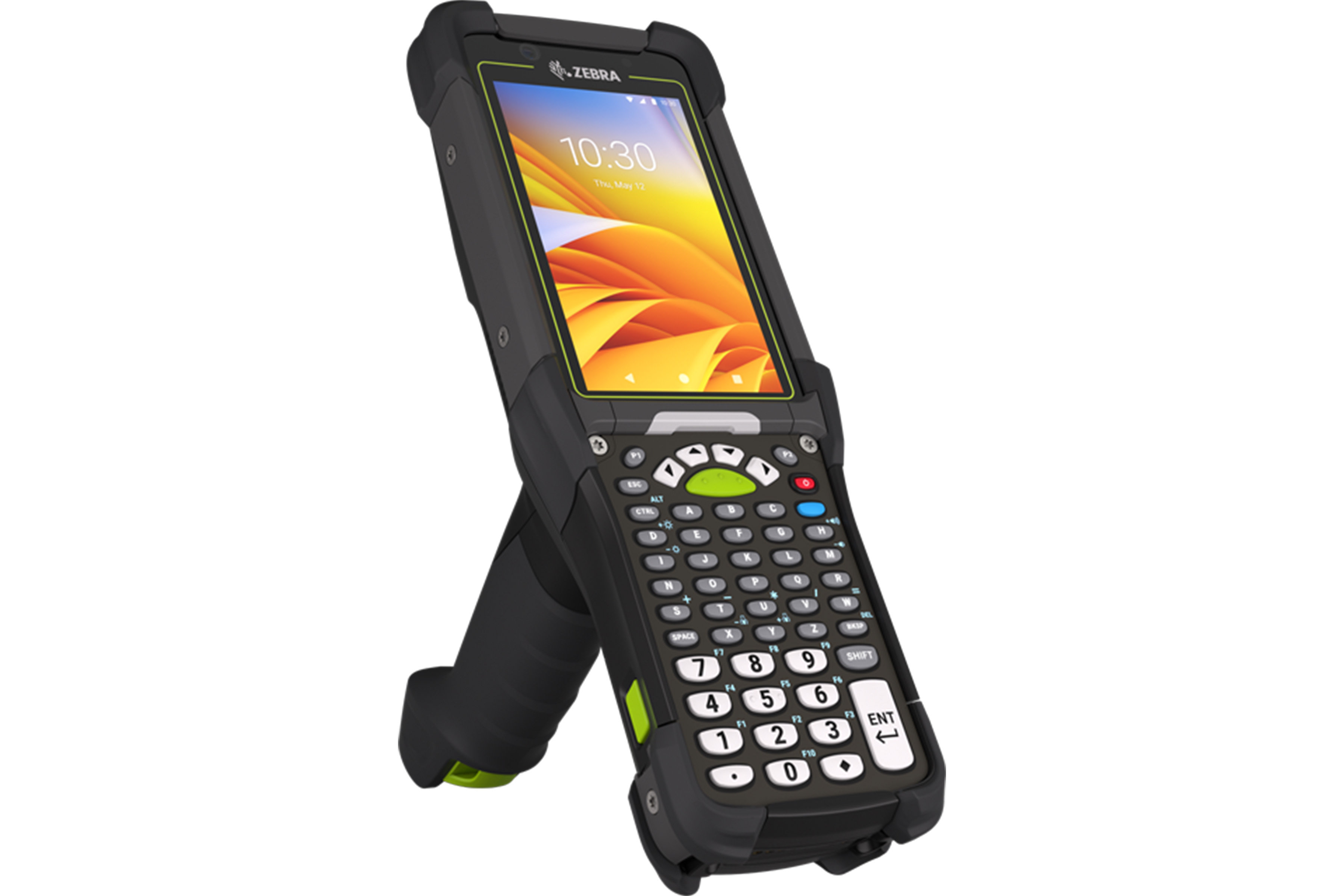
To replace the manual processes and close the gaps between orders and deliveries, Apex initiated the testing process for its first Warehouse Management System (WMS) in 2012, which went live the following year. Alongside this change, the company equipped teams with Zebra MC9 series mobile computers, supported by Chris Fernando, who later became the Director of Business Solutions at LogiQ-On Tech, a partner that helps businesses modernise supply chain operations with practical, high-impact technology.
For the first time, operators could scan barcodes as they received or picked items, with data syncing to SAP within minutes, without handwritten notes or double entries. “Depending on the size of the purchase order, receiving could take 30–60 minutes. With Zebra’s MC9 mobile computers integrated with our inventory software, it now takes 10 minutes, as the system automatically updates inventory levels in SAP,” says Lachimea. Having real-time visibility gave sales staff the confidence to promise only what was truly available, and weekly cycle counts replaced the dreaded full shutdowns for annual stock takes.
As Apex expanded its colour range to 20-30 options by 2014, a new challenge emerged on the manufacturing floor. Cutting machines had to process orders quickly and precisely because a single wrong coil could ruin an entire production run.
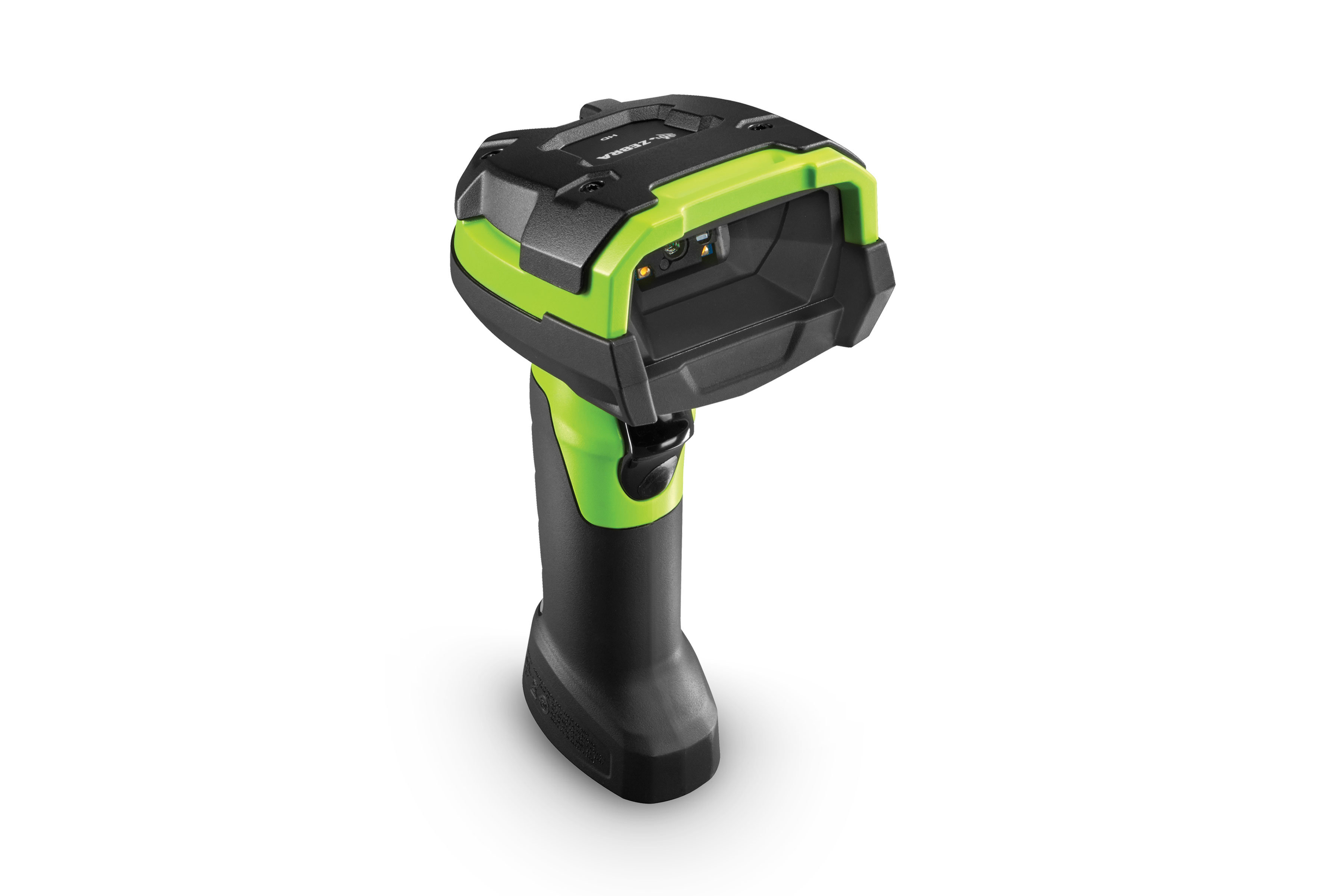
The answer came with Zebra ultra-rugged barcode scanners, now installed at 50–60 roll-forming machines. “Before cutting, operators quickly scan the coil’s barcode to validate it’s the right colour and size for that job,” Chen explains. “It’s a simple step, but it prevents huge mistakes.” This coil validation also enabled traceability for Apex’s 10-, 15-, and 50-year product warranties. “If there’s ever a claim, we can trace the exact coil that went into that roof years ago,” adds Lachimea.
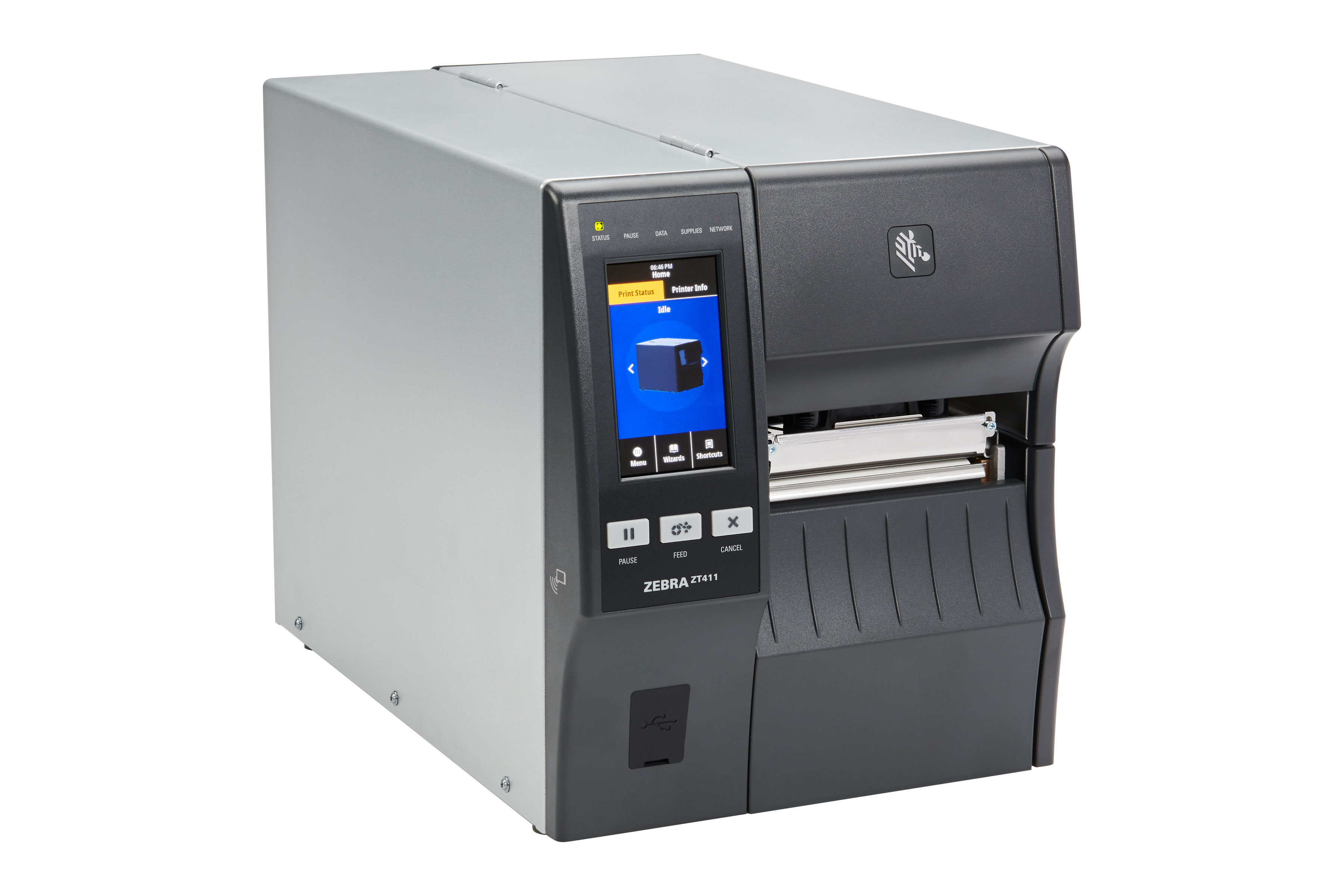
Simultaneously, Apex installed Zebra ZT411 industrial label printers, which replaced the previous generation of Zebra devices implemented before the WMS. They automatically generate standardised labels for every finished pack, complete with order details, customer information, and product specifications, all pulled directly from SAP and production systems. Engineered with industrial-grade components, a rugged metal frame, and reinforced internal parts, the printers endured the impacts and vibrations common in steel plants. That inbuilt strength, along with the ability to perform across wide temperature and humidity ranges, meant they kept running flawlessly under constant use—so operators worked faster and every pack reached customers accurately. “I’ve seen some of them working perfectly after more than 10 years, with minimum maintenance,” Chen confirms.
The Zebra Difference: Outcome and Benefits
As Apex expanded across Australia, the company partnered with LogiQ-On Tech to upgrade its mobile computers to newer MC9 series models, using Zebra’s StageNow software for fast device setup across its growing network. Today, roughly 250 employees interact with these devices daily, making inventory management seamless and accurate. Durable and built for heavy-duty conditions, they enable operators to work fast without worrying about broken screens or software glitches. “MC9 series devices take a beating—grime, dust, heat, countless drops on concrete floors—and it still keeps working,” Chen confirms.
The refreshed system eradicated manual stock counting, labelling, and picking, reducing errors and significantly improving accuracy. “We can tell a customer immediately if we have 10 items in stock and commit to next-day delivery with 99% confidence," he adds. On the manufacturing floor, Zebra scanners ensure every steel coil is validated before cutting, eliminating colour and gauge mismatches that once caused costly rework.
For operators, the transformation has been as much about peace of mind as efficiency. “People are happier now,” Chen explains. “They trust the system, waste less time, and can focus on doing their jobs well.” The combination of rugged devices, automated labels, and real-time SAP integration has boosted productivity, accuracy, and customer satisfaction, creating a smoother workflow from warehouse to roof.
In just over a decade, Apex has achieved significant business growth without a proportional increase in staff, thanks to improved work efficiency. Following a gradual rollout of the integrated inventory solution across its branches nationwide, the company proceeded with full WMS integration into SAP, unlocking real-time inventory data updates. "We're heavily reliant on, and heavily invested in, technology at Apex," Lachimea reveals. "From order entry to invoicing, wherever we can automate or replace paper with screens, we do it."
The company is now evaluating emerging solutions, including AI-driven picking and packing for small items like screws, clips, and downpipes, while following Zebra's innovations in inventory visibility enhanced with next-generation smart vision systems. It's a forward-looking approach that circles back to Apex's founding principle: when the product itself is a commodity, technology becomes the enabler of exceptional service—accurate, reliable, traceable, and human.
Featured Products and Solutions