0:00 / 0:00

Success Story
Nikora achieves full production traceability with factory-wide Zebra RFID system
Nikora automated production tracking and quality control across a complex, multi-stage meat processing facility to eliminate manual data entry and reduce human error.
Zebra Success Story: Nikora
Overview: Manufacturing Challenge
Founded in 1998 in Georgia, the Nikora group has grown into one of the country’s largest food companies, with more than 600 retail stores nationwide. Behind that network is a large-scale manufacturing operation led by Nikora, producing over 500 products, including meat, dairy, fish, bakery items, semi-finished foods, and beverages.
Benefits / Outcomes
- Full real-time production traceability
- Manual data entry eliminated across all production stages
- More efficient operations, freeing workers to focus on production
- System-driven reporting, planning and decision-making
- Error margins cut in half
Customer

Nikora
Georgia
Partner
RSM Georgia Solutions
Digital Technologies
Industry
Manufacturing
Solutions
About Nikora
In food manufacturing, even small mistakes can have serious consequences for food safety. A wrong ingredient reaching the wrong machine at the wrong stage can compromise an entire batch, trigger costly recalls and, at worst, put consumers at risk.
For Nikora, a company that feeds millions of people every day, that kind of risk is simply not an option. Founded in 1998 in Georgia, the Nikora group has grown into one of the country’s largest food companies, with more than 600 retail stores nationwide. Behind that network is a large-scale manufacturing operation led by Nikora, producing over 500 products, including meat, dairy, fish, bakery items, semi-finished foods, and beverages. “We value our customers, and we are extremely careful when it comes to food quality,” says Giorgi Tsereteli, Chief Executive Officer at Nikora. “That is one of the reasons we are market leaders.” To maintain this level of operational excellence, Nikora relies on standardised processes and automation, backed by Zebra Technologies.
The Challenge
Nikora’s production journey is long and multi-staged: raw materials, most of them imported, arrive at refrigerated warehouses before being delivered to the factory floor. A single product, like a sausage, passes through mincing, emulsion preparation, forming, thermal cooking, and packaging.
Previously, staff recorded production data, like ingredient deliveries and product movements between chambers, by hand. Reporting was neither real-time nor comprehensive. “We wanted to make the entire production process visible from start to finish,” notes Mariam Kapanadze, Head of Enterprise Resource Planning at JSC Nikora. “We also needed to eliminate the time and effort spent on manual tracking.”
To automatically monitor every step of manufacturing, Nikora began exploring radio frequency identification (RFID) technology.
With Zebra, we now have full visibility into where each item is, what its status is, and what its production history looks like. With accurate, real-time system data, we can improve reporting, make better decisions, and ensure that the production process runs smoothly.
The Solution
The team researched factories across Europe but could not find a comparable real-world example, making it difficult to build a business case internally. Many of Nikora’s factory workers had limited experience with digital tools, creating a real risk that a complex system would be rejected or misused, so ease of adoption was another key element to consider. “RSM Georgia Solutions introduced us to the idea of RFID, and to Digital Technologies, who specializes in RFID solutions and integration. Together, we discussed how it could be used in our environment,” says Tsereteli.
RSM Georgia Solutions conceptualized the solution and designed the system logic. It resulted in a fully integrated chain that tracks the entire production process—from raw materials to finished products—and ties the RFID infrastructure together. “The support from RSM Georgia Solutions was essential to our success,” notes Tsereteli.
They also worked closely with local partner Digital Technologies who, despite this being a new type of RFID project for their own team, drew from years of integration experience and helped choose the right technology setup. “Zebra Technologies quickly stood out as we needed a vendor able to bring together fixed RFID readers, antennas, rugged scanners, and mobile computers into a single, integrated system,” says Kapanadze.
Before committing fully, the team ran trials in a real production environment. RFID tags needed to survive temperatures ranging from −15°C in freezers to +80°C in thermal chambers. The entire facility is also washed daily with chemicals, sanitisers, and high-pressure water. “The factory environment is extremely harsh for any equipment, especially for something as sensitive as RFID,” notes Tsereteli. “But thanks to the robustness of Zebra equipment, we were able to make it work.”
The Zebra Difference: Outcome and Benefits
Today, the system spans the entire factory. Zebra FX9600 Fixed RFID Readers sit in a technical room above the ceiling, while Zebra AN5X-7X Ultra-Rugged RFID Antennas are positioned on the production floor. To protect them from the daily chemical wash cycle, the antennas are enclosed in custom stainless-steel housings.
Passive RFID hard tags are attached to every transport container. At each key point in the process—at scales, processing machines, and between chambers—the system identifies what is being delivered, verifies it against the production plan, and checks both the quantity and type. “If the wrong ingredient reaches the wrong machine, light bars and sound alarms alert operators before the material enters production, while every discrepancy is automatically logged,” explains Tsereteli.
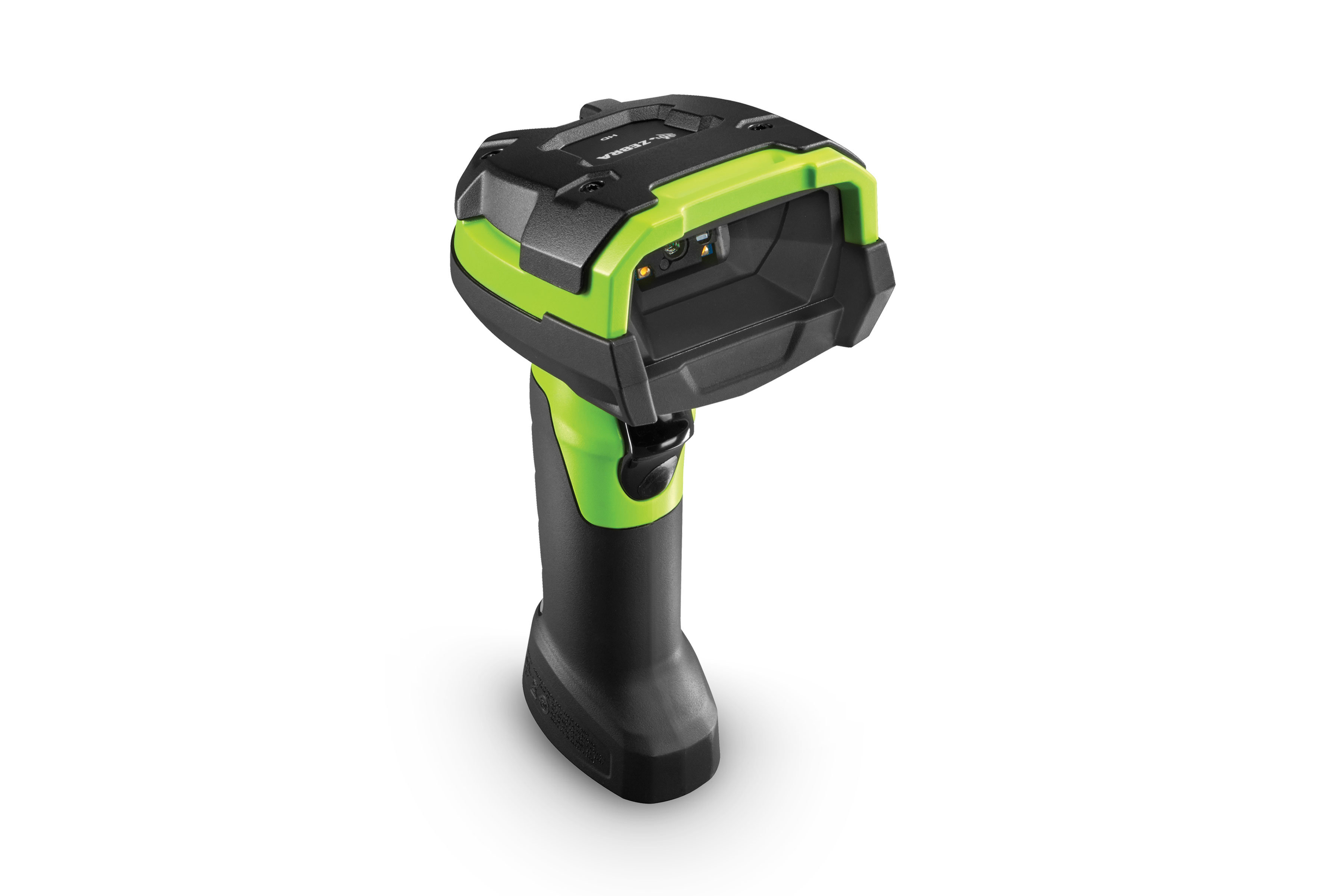
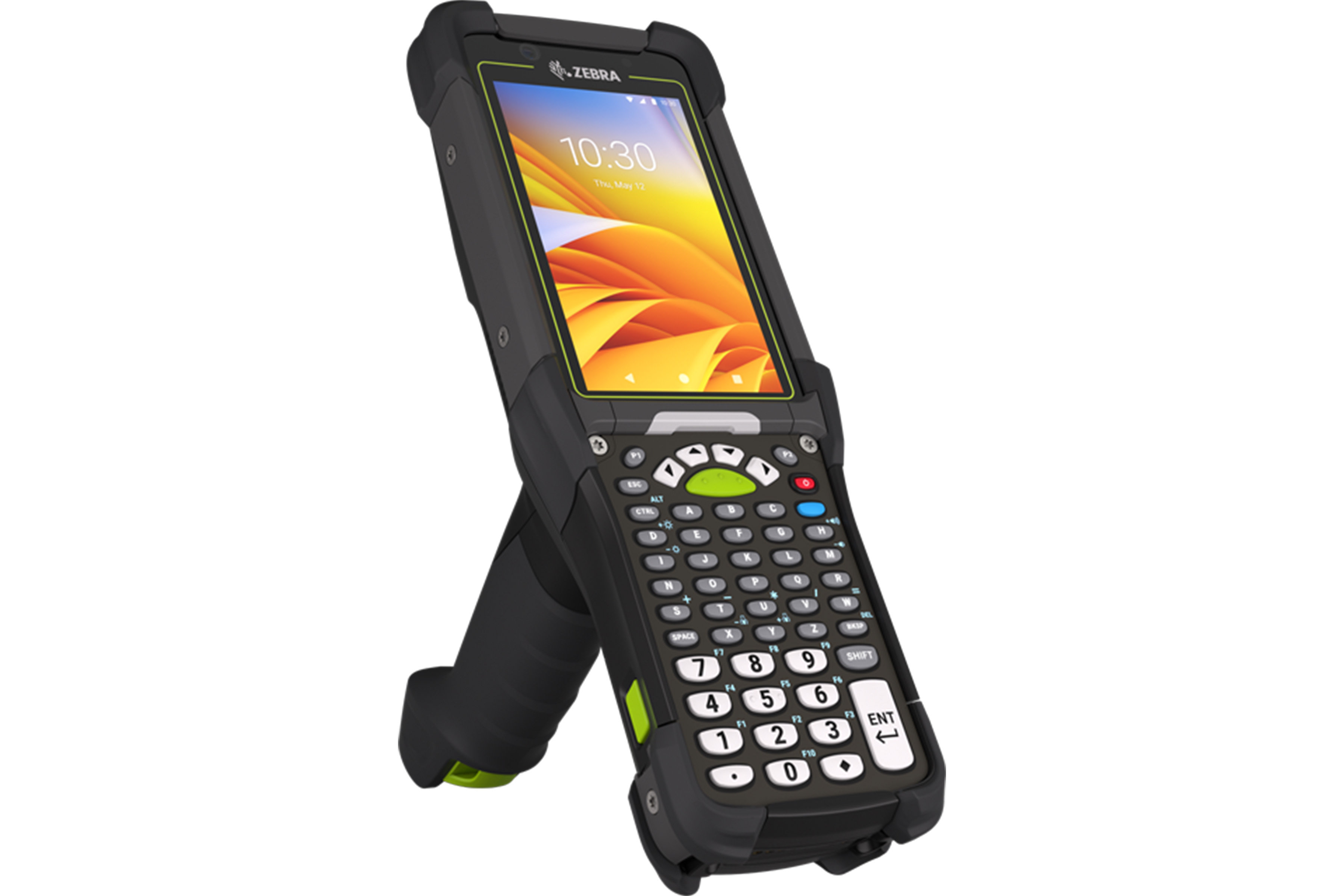
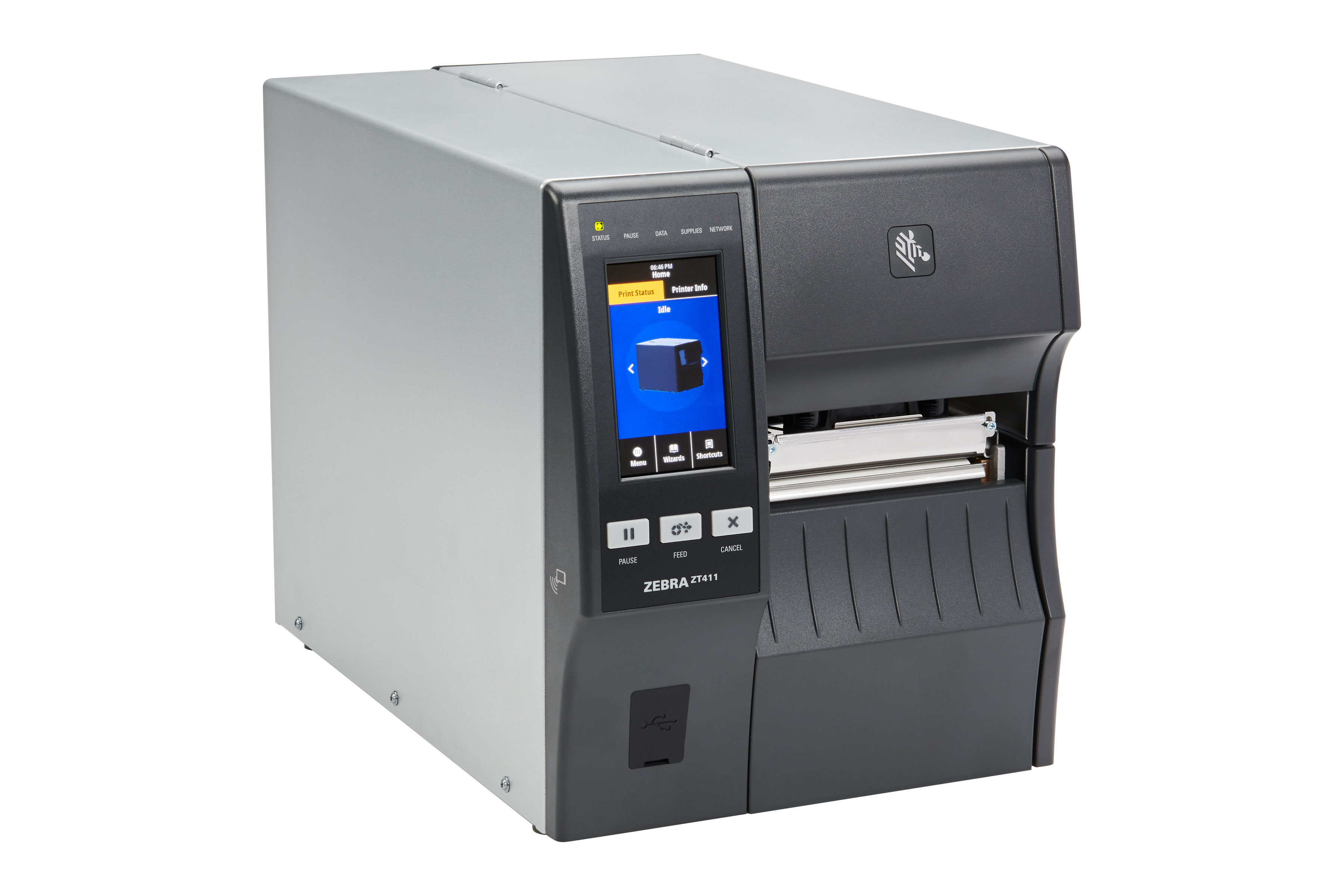
Zebra DS3600 Series Ultra-Rugged Scanners serve as a fallback, allowing workers to switch to barcode scanning if needed without halting the line. With the factory running six days a week, this dual-layer approach was essential. Zebra ZT400 Series Printers handle the labelling of finished goods before they leave the facility. For manual processes like inventory checks, Nikora also uses Zebra MC9400 Series Mobile Computers.
Adoption across the factory floor proved straightforward. “The workers needed minimal training because the software and the hardware are very simple and intuitive," shares Kapanadze.
Operations at the Nikora facility now run leaner and faster. “With manual data entry replaced by automatic capture at every stage, workers are free to focus on production rather than paperwork,” notes Kapanadze. “Today, we cannot imagine operating without the RFID system.” For Tsereteli, the investment has become a point of distinction. “We believe this is one of the most modern factories in Eastern Europe, mainly because of the innovative solutions we have implemented,” he adds.
“With Zebra, we now have full visibility into where each item is, what its status is, and what its production history looks like,” shares Kapanadze. Because most of the data is now captured automatically, human error has been drastically reduced. “With accurate, real-time system data, we can improve reporting, make better decisions, and ensure that the production process runs smoothly,” Kapanadze adds.
With greater visibility, Nikora now has tighter control over what reaches consumers. “We’ve been able to reduce our error margins too, they’re about half of the previous percentage,” says Tsereteli, while stressing that this improvement reflects more than just RFID. Alongside the new tracking system, upgraded infrastructure, temperature control, and processing equipment have all contributed to better operational accuracy—and with the facility still in its early months, the full impact is only beginning to emerge.
The collaborative nature of the project was a crucial driver of its success. “We had conducted research across multiple European factories and found no comparable real-world example. But the professionalism and knowledge of the teams involved gave us the confidence to move forward," says Tsereteli.
The system is now set to scale. Nikora plans to roll out the same RFID infrastructure across two additional factories. “This project showed that even in a complex production environment, with the right vision and strong partnerships like we have with Digital Technologies, RSM Georgia and Zebra, it is possible to successfully implement advanced technologies and achieve real operational benefits,” Kapanadze concludes.
Featured Products and Solutions